

For a small business, having a great product or service is only one part of building a successful business. Potential customers also need to find you online.
Today, many people use search engines to discover local businesses, compare products, read reviews, and find solutions to their needs. This is why Search Engine Optimization (SEO) has become an important part of digital marketing for small businesses.
As a digital marketing strategist, I believe SEO should not be viewed simply as a way to improve search rankings. It is about understanding what people are searching for, creating useful content, improving the user experience, and helping the right audience discover a business.
In this blog, I’m sharing 7 effective SEO strategies for small businesses that can help build a stronger online presence.
What Is SEO?
Search Engine Optimization (SEO) is the process of improving a website and its content so that search engines can better understand and discover it.
SEO can involve several areas, including:
- Keyword research
- On-page optimization
- Technical SEO
- Content creation
- Internal linking
- Local SEO
- Website performance
- Building relevant links
Unlike paid advertising, SEO focuses primarily on improving organic search visibility.
For small businesses, a well-planned SEO strategy can help attract people who are already searching for products, services, or information related to the business.
- Start With Effective Keyword Research
Keyword research is one of the first steps I recommend when developing an SEO strategy.
Keywords are the words and phrases people enter into search engines. Understanding these searches helps a business create content that matches what its target audience is actually looking for.
For example, instead of targeting a very broad keyword such as “digital marketing,” a local business might target a more specific phrase such as “digital marketing services in Kannur.”
When researching keywords, consider:
- Search intent
- Relevance to the business
- Search volume
- Competition
- Location
- Customer needs
I believe the best keywords are not always the ones with the highest search volume. They should also be relevant to the business and its audience.
- Optimize Your Website Pages
Once relevant keywords have been identified, the next step is optimizing website pages.
Important on-page SEO elements include:
- Page titles
- Meta descriptions
- Headings
- URL structure
- Relevant keywords
- Image alt text
- Internal links
- Useful and original content
For example, a page about a specific service should clearly explain what the service is, who it is for, its benefits, and how customers can get started.
From my perspective, on-page SEO should never be about forcing keywords into a page. The content should remain natural and useful for the person reading it.
- Create Valuable and Helpful Content
Content marketing and SEO work closely together.
A business website should answer the questions its potential customers are asking.
Blog posts, guides, FAQs, tutorials, case studies, and service-related articles can all provide useful information while creating opportunities to appear for relevant searches.
For example, a local fitness business could create articles such as:
- Beginner’s guide to choosing a workout plan
- Common fitness mistakes beginners make
- How to stay consistent with exercise
- Benefits of working with a local fitness professional
I believe quality should come before quantity. Publishing useful content that genuinely helps the audience is more valuable than producing large amounts of content without a clear purpose.
- Focus on Local SEO
For small businesses that serve a specific geographical area, local SEO can be particularly important.
Local SEO helps businesses improve their visibility when people search for products or services in a particular location.
Businesses should pay attention to:
- Accurate business information
- Google Business Profile
- Business name, address, and phone number consistency
- Customer reviews
- Local keywords
- Location-specific website content
- Relevant local mentions and links
For example, a business serving customers in Kannur can create useful content and website pages that clearly communicate the areas it serves.
As someone developing my career in digital marketing in Kerala, I find local SEO especially valuable because it connects online visibility with real-world customer needs.
- Make Your Website Mobile-Friendly
A large number of people access websites through smartphones. Therefore, a website should provide a good experience across different screen sizes.
A mobile-friendly website should have:
- Easy-to-read text
- Simple navigation
- Clearly visible buttons
- Responsive design
- Fast-loading pages
- Easy-to-use forms
A website may have excellent content, but if visitors struggle to use it on their phones, the overall experience can suffer.
When I think about SEO, I don’t look only at search engines. The people using the website should remain at the center of the strategy.
- Improve Website Speed and Technical SEO
Technical SEO helps search engines discover, understand, and access website content.
Small businesses should pay attention to areas such as:
- Website loading performance
- Mobile usability
- Broken links
- HTTPS security
- XML sitemaps
- Crawlability
- Proper redirects
- Duplicate content issues
- Structured website architecture
Website performance can also affect the experience visitors have when interacting with a site.
I believe technical SEO is an important foundation. Great content is more useful when the website itself is technically accessible and easy to navigate.
- Monitor SEO Performance and Keep Improving
SEO is not something you complete once and forget.
Search behavior, competitors, content, and search engine systems can change over time. This means businesses should regularly monitor their performance.
Useful metrics can include:
- Organic traffic
- Search impressions
- Click-through rate
- Keyword visibility
- Engagement
- Leads
- Conversions
- Top-performing pages
Tools such as Google Search Console and analytics platforms can provide valuable insights into website performance.
From my perspective, data should guide SEO decisions. If a page is performing well, we can understand why. If another page is not attracting visitors, we can investigate and improve it.
My SEO Approach
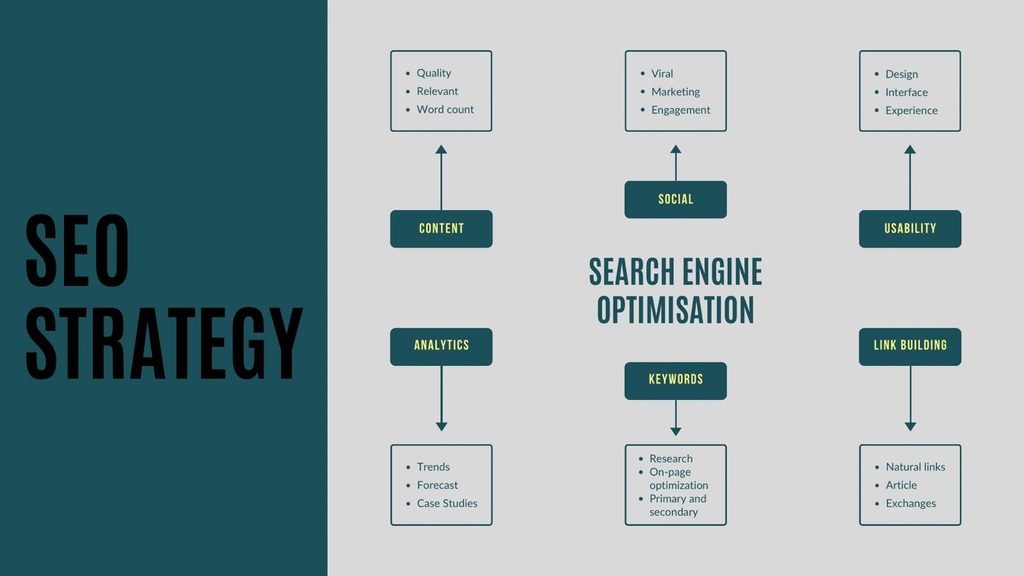
As I continue developing my skills as a digital marketing strategist, I approach SEO through a simple process:
Research → Plan → Optimize → Create → Measure → Improve
I start by understanding the business and its target audience. Then I research relevant search opportunities and develop a strategy.
After optimizing the website and creating useful content, I monitor performance and look for opportunities to improve.
For me, successful SEO is not simply about trying to reach the first position on Google. It is about bringing the right audience to the right content and creating a useful experience for them.
Common SEO Mistakes Small Businesses Should Avoid
While implementing SEO, businesses should avoid common mistakes such as:
- Keyword stuffing
- Copying content from other websites
- Creating content only for search engines
- Ignoring local SEO
- Using misleading page titles
- Neglecting mobile users
- Ignoring technical website problems
- Buying low-quality links
- Expecting immediate results
- Publishing content without measuring performance
SEO generally requires consistency and patience. A sustainable strategy focuses on providing genuine value rather than looking for shortcuts.
Why SEO Matters to Me as a Digital Marketer
SEO is one of the areas of digital marketing that I find particularly interesting because it combines research, creativity, technology, and analysis.
Keyword research requires understanding people and their search behavior. Content creation requires communication and creativity. Technical SEO requires attention to detail. Analytics helps us understand performance and make better decisions.
This combination is one of the reasons I enjoy learning and developing my SEO skills.
As I continue my journey in digital marketing, my goal is to understand SEO not just as a collection of techniques, but as a strategic process that can help businesses build sustainable online visibility.
Frequently Asked Questions
Is SEO useful for small businesses?
Yes. SEO can help small businesses improve their online visibility and reach people searching for relevant products, services, or information.
How long does SEO take to show results?
SEO results can vary depending on factors such as competition, website condition, content quality, industry, and the strategy being implemented. SEO generally requires consistent effort rather than expecting immediate results.
Is local SEO important for small businesses?
For businesses that serve a specific geographic area, local SEO can be an important part of their online marketing strategy.
Can a small business do SEO without a large budget?
Yes. Businesses can begin with foundational activities such as keyword research, website optimization, useful content, local SEO, and performance monitoring.
What is the most important SEO strategy?
There is no single strategy that works for every business. Effective SEO usually involves combining relevant keyword research, helpful content, technical optimization, good user experience, and ongoing measurement.
Conclusion
SEO can give small businesses an opportunity to build visibility and connect with people who are actively searching for what they offer.
The most effective approach is not to focus only on rankings. Businesses should focus on understanding their audience, creating valuable content, maintaining a technically sound website, optimizing for relevant searches, and continuously learning from data.
As a digital marketing strategist, I see SEO as an ongoing learning process. Search behavior continues to evolve, and businesses need to adapt their strategies accordingly.
For small businesses looking to strengthen their online presence, starting with these seven SEO strategies can provide a strong foundation for long-term digital marketing efforts.
Explore more articles on my portfolio to learn about digital marketing, social media marketing, content marketing, and other strategies for building a stronger online presence